
Avoid Hypothermia when hiking in Scottish winter

Tuesday 10th February 2026, 2:30pm


Scotland’s mountains are stunning but unforgiving. With rapidly changing weather, strong winds, persistent dampness, and long hours of winter darkness, hypothermia is a constant risk for climbers and hillwalkers. It can impair thinking, coordination, and ultimately survival. Every winter, people die of hypothermia in the Scottish mountains - awareness and preparation are key to staying safe.

Taken from Scottish Mountaineer 104. By Naomi Dodds – International Mountain Leader and Aberdeen Mountain Rescue Team Doctor

Hypothermia occurs when the body’s core temperature falls below 35 °C. Below this point, normal body processes struggle to function, leading to confusion, poor coordination, and eventually collapse.

It can be classified into the following stages:

  • Mild (32–35 °C): Shivering, cold skin, exhaustion.
  • Moderate (28–32 °C): Shivering may stop; unsteady movements, clumsiness, slurred speech, and confusion (the ‘umbles’: stumbles, fumbles, mumbles, grumbles).
  • Severe (<28 °C): Unconsciousness, high risk of cardiac arrest.

In the Scottish hills, even mild hypothermia can become life-threatening if weather or terrain delays evacuation.

Scotland’s climate creates a perfect storm for hypothermia:

  • Wind chill: Strong winds strip heat rapidly - a 0 °C day with 30 mph winds feels more like –8 °C.
  • Wet conditions: Rain, sleet, snow, and even sweat dampen clothing, greatly increasing heat loss.
  • Rapid weather changes: Sunshine can turn to blizzard in minutes.
  • Short winter days: Darkness complicates navigation and slows pace.

Even in summer, sudden showers and strong winds on exposed ridges can trigger dangerous cooling.
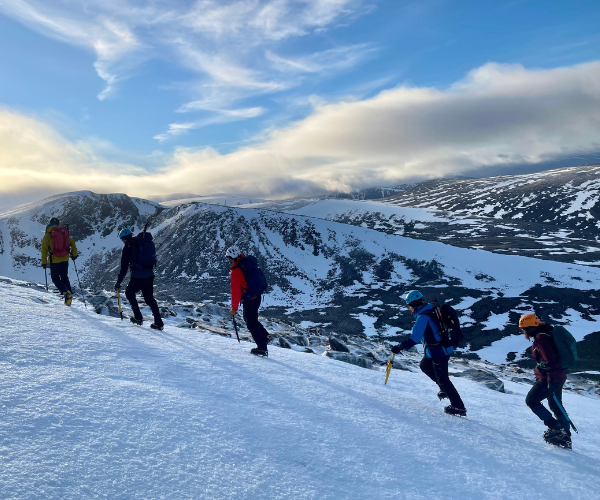
Most cases of hypothermia in Scotland are preventable. Key measures include:

  1. Check forecasts: Use the Mountain Weather Information Service (MWIS), Met Office and Scottish Avalanche Information Service (SAIS) for detailed Scottish forecasts to help you plan your journey.
  2. Plan shorter days: In winter, darkness falls before 4pm. Build in contingency time and don’t be over-ambitious with your route.
  3. Layer wisely to stay dry: Use a wicking base layer, insulating mid-layer, and a reliable windproof and waterproof outer shell. Avoid cotton, which holds moisture. Always carry a synthetic duvet jacket to put on when you stop to take breaks or in the event of an emergency. Pack a spare hat and gloves
  4. Keep fuelled: Eat regular high-energy snacks and stay hydrated. Carbohydrate is the body’s main fuel for heat generation.
  5. Pace yourself: Overexertion leads to sweating, which chills once you stop. Adjust speed and layers to avoid soaking clothing.
  6. Carry emergency kit: Group shelter, survival bag, headtorch, extra warm clothing, and navigation equipment.

Early recognition is critical. Watch out for:

  • Slurred speech
  • Confusion or poor decision-making
  • Loss of coordination

A companion who becomes quiet, withdrawn, or struggles with simple tasks may be showing early warning signs of hypothermia. When the shivering stops and the casualty becomes drowsy, this is an emergency – seek help immediately.  

If you suspect hypothermia:

  1. Shelter and Insulation
    • Get the casualty out of wind and rain using a group shelter.
    • Remove wet clothing if possible and replace with dry insulating layers.
    • Place a rucksack under the casualty to reduce ground conduction.
  2. Rewarm
    • Encourage movement, high-energy snacks, and warm sweet drinks.
    • If the casualty can walk, aim to get them off the hill via the shortest route possible.
  3. Gentle Handling
    • Move carefully in severe hypothermia: rough handling can trigger dangerous heart rhythms.
  4. Call for Help
    • Call 999 and ask for Police, then Mountain Rescue.

Hypothermia is a very real danger in Scotland year-round. The key lessons are simple: prepare for the worst, recognise signs early, and act quickly. Carrying the right kit, fuelling your body, and looking out for one another can keep a cold day in the hills from turning into a life-threatening emergency.