
Tuesday 27th January 2026, 8:30am
When visiting the mountains in winter, we can’t control the weather or the snowpack; but we can control our route choice accordingly. Every step we take should be an informed decision based on awareness, observation, and understanding of the conditions.
Taken from Scottish Mountaineer 104. By Graham Moss - Senior Forecaster, Scottish Avalanche Information Service
There are 3 key focus areas to consider when choosing a route:
1. Recent weather and snow conditions
Start by understanding the conditions from the past few days. Taking particular interest in where and what the snow cover is, and where specific avalanche problems are. Fortunately, there’s a wealth of online information, including blogs and avalanche forecasts, to help you build this picture.
2. Expected weather and snow conditions
Next, look ahead. What will the weather do while you’re out on the hill? Are the snow conditions expected to change during the day? What weather influences do you expect? Are the Avalanche Problems likely to change?
3. Actual weather and snow conditions
Finally, observe what’s happening on the day. Look for signs of recent avalanches, wind blowing snow off summits, changes in temperature, or rain. All of these are clues that may confirm or contradict the forecast – and they might mean it’s time to adapt your plan.
Being familiar with the main avalanche problems helps you make better decisions on the hill. The more common and easy to understand ones are:
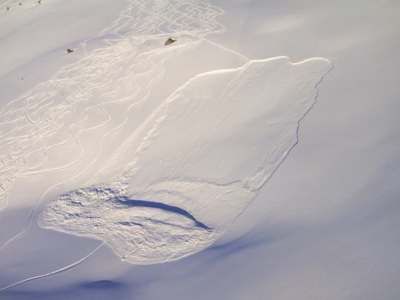
Windslab is formed when snow is deposited by the wind, typically on sheltered (lee) slopes. If the wind has been from the west, expect windslab on east-facing slopes. Avalanches can release naturally during storms or triggered when they are subjected to an additional load, typically a person or group of people.
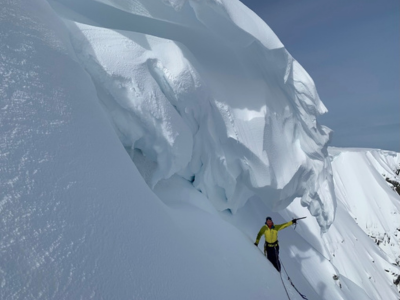
Cornices are overhanging snow structures formed by windblown snow. They will release naturally during storm cycles, often releasing any unstable windslab below. They can also be released by additional load (an unaware person standing on them) or during a period of warming.
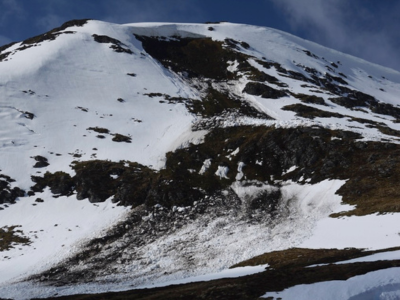
A rapid rise in temperature, especially with rain, can weaken the snowpack and trigger large, destructive wet-snow avalanches. Typically, these will release naturally and can be very large and destructive in nature. These can extend down to even low angle terrain many hundreds of meters from their start points.
Route planning is key. Windslab is most dangerous on steep (30°+) lee slopes, so avoiding them is a good starting point. Being aware of slope aspect in your plan and how they relate to the location of the Avalanche Problems is key.
During periods of thaw, it important to consider what is above you; wet snow avalanches and cornices can collapse causing significant hazards lower down.
Perhaps the most important advice is to keep your plans flexible. Have several options and be willing to change them if conditions aren’t right. Sticking rigidly to a single planned route and blindly carry this out regardless of conditions, ignoring warning signs because it doesn’t “fit” your preconceived plan can invariably lead to trouble.
Fortunately, the Scottish Avalanche Information Service (SAIS) is here to help! SAIS operates in six popular mountain areas in Scotland and publishes a daily avalanche hazard forecast every afternoon.
In the days before your trip, watch the forecasts to build a picture of conditions. Note the avalanche problems, noting on which aspect and altitude they occur. On the day itself, check the latest report and understand the weather influences that underpin the forecast.
Remember: the hazard category on the Avalanche Report is just a broad summary. The most valuable information is in the details – which slopes are affected, how the problems are expected to change, and why.
Once you’re on the hill, keep observing. The forecast you read that morning is already several hours old. Conditions in Scotland can change quickly, so keep your head up and watch for warning signs.
Above all, stay flexible. Be ready to adjust your plans (or turn back) if the mountains are telling you something different from what you expected. Conditions can change in as little as an hour - what was a safe slope can turn into a dangerous crossing.
Listen carefully, and you’ll give yourself the best chance of enjoying a safe and rewarding day in Scotland’s winter hills.
Find more information on avalanche awareness and check the forecast at sais.gov.uk.

© 05/1 Mountaineering Scotland
ClimbScotland is a registered trademark of the Mountaineering Council of Scotland Limited
Mountaineering Scotland is a registered trademark of the Mountaineering Council of Scotland Limited


