
Wednesday 27th May 2026, 8:00am
£300,000 community-backed project secures one of Scotland’s most fragile upland routes for future generations - as organisations call for urgent national investment in mountain path restoration.
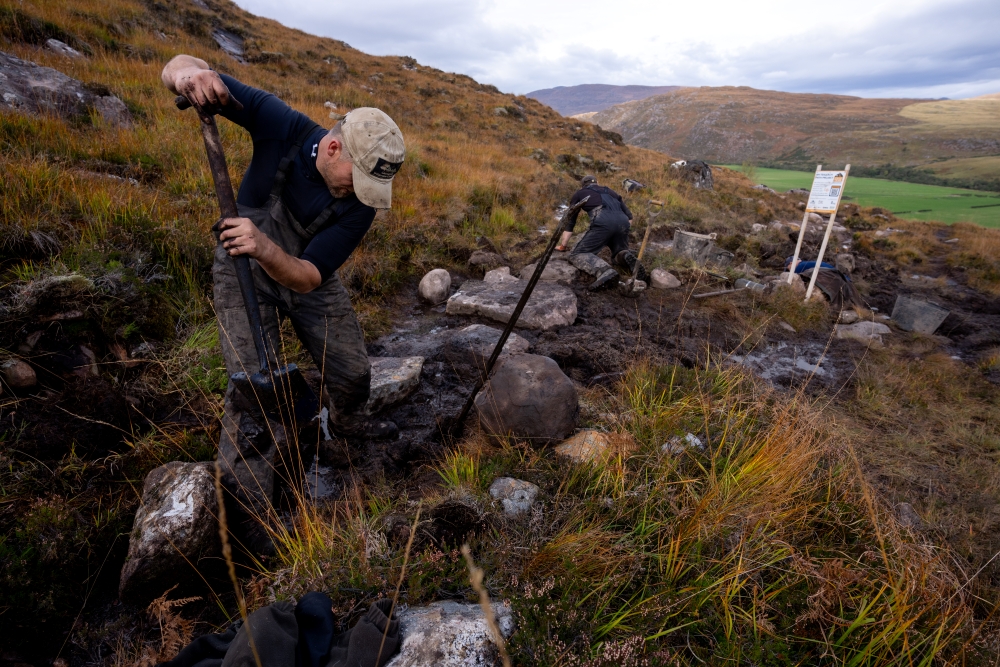
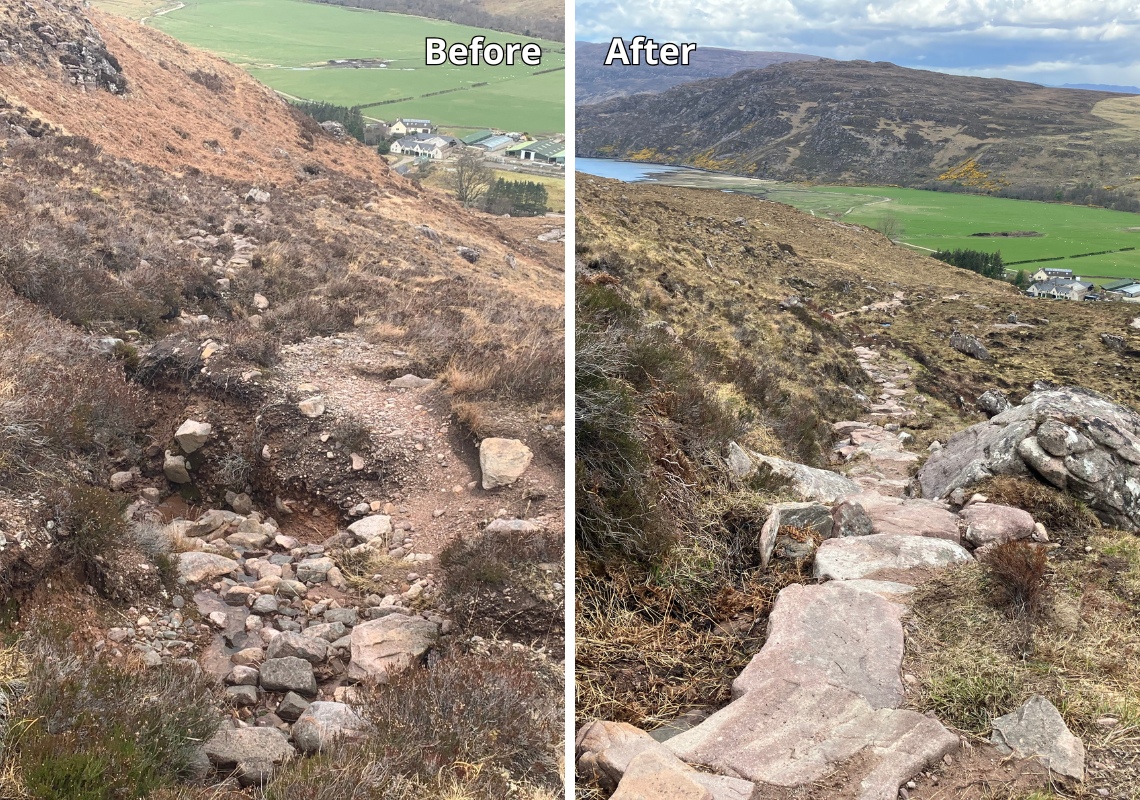
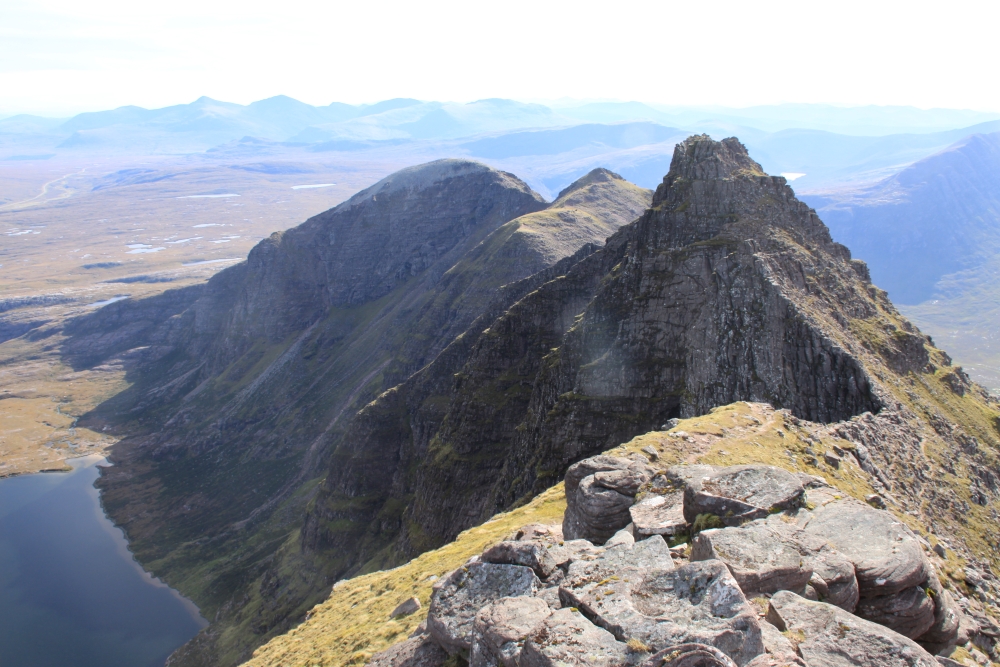
The path on one of Scotland’s most iconic and dramatic mountains has been safeguarded for future generations, as a major restoration project on An Teallach (The Forge) in Wester Ross was successfully completed two months ahead of schedule.
The three-year project, part of the joint It’s Up to Us campaign by Mountaineering Scotland and the Outdoor Access Trust for Scotland (OATS), has exceeded its ambitious £300,000 fundraising target, raising an impressive £315,000 to repair and rebuild more than 3km of severely eroded upland path on An Teallach, a Site of Special Scientific Interest.
The work, delivered by specialist contractors Cairngorm Wilderness Contracts (CWC), was completed in March 2026 and has reversed decades of erosion caused by increasing footfall combined with the extremes of Scottish weather.
Working in one of the UK’s most remote and weather-exposed environments, the CWC team carried out 790 contractor days on the mountain, often in severe conditions. The project relied on skilled traditional, hand-built techniques to ensure durability while protecting the fragile landscape.
700 tonnes of materials including stone from site and imported, aggregate, and repositioned spoil to aid habitat restoration were manually moved on the mountain and used to complete the 3,152 metres of built path and areas of landscaping surrounding it. 183 stone-built drainage features, together with 250m of stone edging, were also built on the path to minimise future erosion. The result is a resilient, sustainable path that will protect both the fragile landscape and the experience of walkers for years to come.
The project’s success was made possible through a combination of community fundraising and major support from charitable trusts, corporate partners, mountaineering clubs, and individual donors.
Key contributors included the Scottish Mountaineering Trust — through its 60th Anniversary Diamond Grant — and the European Outdoor Conservation Association (EOCA), alongside commercial partners such as Cotswold Outdoor and Keela.
Volunteers also played a vital role. Since late 2024, 33 OATS Path Maintenance Volunteers contributed over 412 hours of work to the project, supporting contractors on the mountain while developing their own practical conservation skills. Their contribution equates to more than £16,000 in labour value, while helping to build a growing network of dedicated path stewards.
While the completion of the An Teallach path marks a major conservation success, it also highlights a wider national issue. Walking tourism contributes an estimated £1.6 billion annually to Scotland’s economy, delivering significant health, wellbeing and environmental benefits. Yet there is currently no dedicated government funding for maintaining upland paths on privately owned land outside national parks or NGO estates.
The situation has worsened since Brexit, with the loss of European funding streams that previously supported path restoration work.
A recent audit estimated a least £30 million is needed to restore the 400 km of Scotland's upland paths in the worst condition, with at least £400,000 required annually for ongoing maintenance.
Beyond fundraising, the It’s Up to Us campaign has focused on building long-term solutions — working with government and other stakeholders to develop a sustainable funding model for upland path repair and habitat restoration. Mountaineering Scotland, as part of the Scottish Outdoor Recreation Alliance (SORA), is calling on the Scottish Government to establish a £50 million national path fund between 2026 and 2031 to secure the future of Scotland’s mountain path network.
The An Teallach project demonstrates what can be achieved through collaboration — but campaigners stress that it must not remain a one-off success, and that further investment is needed now to ensure Scotland’s hugely popular upland path network and the fragile mountain environment is protected for generations to come.
Stuart Younie CEO of Mountaineering Scotland said "This campaign and the restoration of the path on An Teallach has been a huge achievement through the combined efforts of OATS and Mountaineering Scotland and with the support of the outdoor community. We are really proud of the way that businesses, clubs and individuals have all stepped up and would like to thank everyone who has contributed and particularly the Scottish Mountaineering Trust, whose Diamond Grant kickstarted the whole project, and our lead sponsor Cotswold Outdoors. We hope we have managed to shine a light on the importance of investing in upland paths and the wider challenge of securing investment for this important work. I'm excited about where we go from here and selecting our next project for Its Up to Us."
Ewan Watson, Outdoor Access Project Manager of the Outdoor Access trust for Scotland, said: "OATS and Mountaineering Scotland set an ambitious target of raising £300,000 to carry out footpath repairs on An Teallach. Thanks to the generosity of everyone who contributed we have reached this target and competed over 3km of work on An Teallach.
"Specialist ‘hand build’ footpath contractors from Cairngorm Wilderness Contracts have spent nearly 800 days working on site, often in incredibly challenging conditions, to create a robust footpath that will provide sustainable access for years to come. They have been supported by volunteers from OATS who have assisted with the path works on a number of occasions throughout the project.
"Due to increased footfall and the escalating impacts of climate change, Scotland’s mountain footpath network is now deteriorating faster than it can be repaired. With little to no government funding available to carry out works of this kind on private land, support from the public and other partner organisations plays a vital role in ensuring access to our mountain landscapes remains sustainable."
.png)
© 09/1 Mountaineering Scotland
ClimbScotland is a registered trademark of the Mountaineering Council of Scotland Limited
Mountaineering Scotland is a registered trademark of the Mountaineering Council of Scotland Limited


